

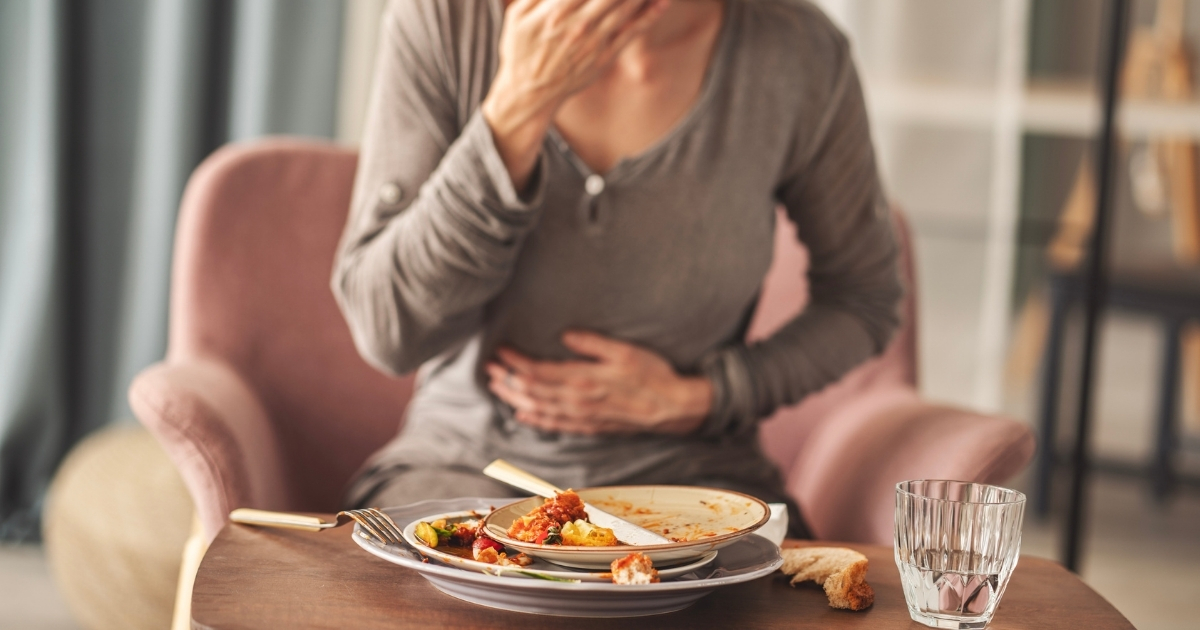
Food is often the center of family gatherings, holiday celebrations, and special occasions. While most meals are enjoyed without problems, food poisoning can happen when food or drinks become contaminated with harmful bacteria, viruses, or other germs. During the fall and winter months, holiday meals, leftovers, and busy schedules can increase the risk of foodborne illness.
Most cases of food poisoning improve within a few days, but some symptoms can become serious and require emergency medical care. Knowing what to watch for can help you make informed decisions for yourself and your family.
If you or a loved one is experiencing severe dehydration, difficulty staying awake, persistent vomiting, bloody diarrhea, or other concerning symptoms, contact Quality Care ER or call (903) 417-0886 for emergency care. If you believe someone is experiencing a life-threatening medical emergency, call 911 immediately.
What Is Food Poisoning?
Food poisoning occurs after eating or drinking contaminated food or drink containing harmful germs or toxins. Symptoms can begin within a few hours or may take several days to appear, depending on the cause.
Common sources of food poisoning include:
- Undercooked meat or poultry
- Raw or undercooked eggs
- Unpasteurized dairy products
- Contaminated fruits and vegetables
- Food left out too long at room temperature
Although anyone can develop food poisoning, young children, older adults, pregnant women, and people with weakened immune systems may have a higher risk of serious illness.
Common Symptoms of Food Poisoning
Food poisoning often causes digestive symptoms that may include:
- Nausea
- Vomiting
- Diarrhea
- Stomach cramps
- Fever
- Loss of appetite
Many people recover with rest and fluids, but symptoms can vary depending on the type of illness and the person's overall health.
Symptoms You Shouldn't Ignore
Some symptoms may warrant a medical evaluation.
Seek emergency care if you experience:
- Severe or persistent vomiting
- Bloody diarrhea
- Signs of dehydration, such as dizziness, confusion, dry mouth, or very little urine
- High fever that doesn't improve
- Severe abdominal pain
- Difficulty staying awake or confusion
- Symptoms lasting longer than several days or becoming worse
These symptoms may require prompt medical evaluation to help determine the cause and provide appropriate treatment.
Why Dehydration Can Become Dangerous
One of the biggest concerns with food poisoning is dehydration. Repeated vomiting and diarrhea can cause the body to lose fluids and essential minerals faster than they can be replaced.
Warning signs of dehydration include:
- Extreme thirst
- Dry mouth
- Dark-colored urine
- Feeling dizzy when standing
- Rapid heartbeat
- Fatigue
Young children and older adults can become dehydrated more quickly than healthy adults, making early recognition especially important.
Food Poisoning During the Holiday Season
The fall and winter holidays often involve preparing large meals for family and friends. While these celebrations are enjoyable, they can also increase the chances of foodborne illness if food isn't handled properly.
Help reduce your risk by:
- Washing your hands before preparing food.
- Cooking meat to a safe internal temperature.
- Refrigerating leftovers within two hours.
- Reheating leftovers thoroughly before eating.
- Keeping raw foods separate from ready-to-eat foods.
Simple food safety habits can help protect everyone at the table.
When Emergency Care May Be Needed
It can be difficult to know whether stomach symptoms are simply uncomfortable or something more serious.
Emergency medical evaluation is especially important if:
- You cannot keep liquids down.
- You develop severe dehydration.
- Your abdominal pain becomes intense.
- You notice blood in your stool.
- Your symptoms rapidly worsen.
Prompt evaluation can help identify the cause of your illness and determine the most appropriate treatment based on your condition.
Help Protect Yourself and Your Family
Although food poisoning isn't always preventable, careful food preparation and proper storage can lower your risk.
Remember to:
- Wash your hands frequently.
- Refrigerate leftovers promptly.
- Check expiration dates.
- Cook foods thoroughly.
- Avoid eating food that has been left out too long.
These simple precautions become especially important during busy holiday gatherings.
Turn to Quality Care ER for Emergency Care
Most cases of food poisoning improve with time, but severe symptoms should never be ignored. Knowing when to seek emergency medical care can help protect your health and prevent complications.
If you need urgent care in Paris, TX because of severe food poisoning symptoms or another medical emergency, contact Quality Care ER or call (903) 417-0886. If you believe someone is experiencing a life-threatening emergency, call 911 immediately.