

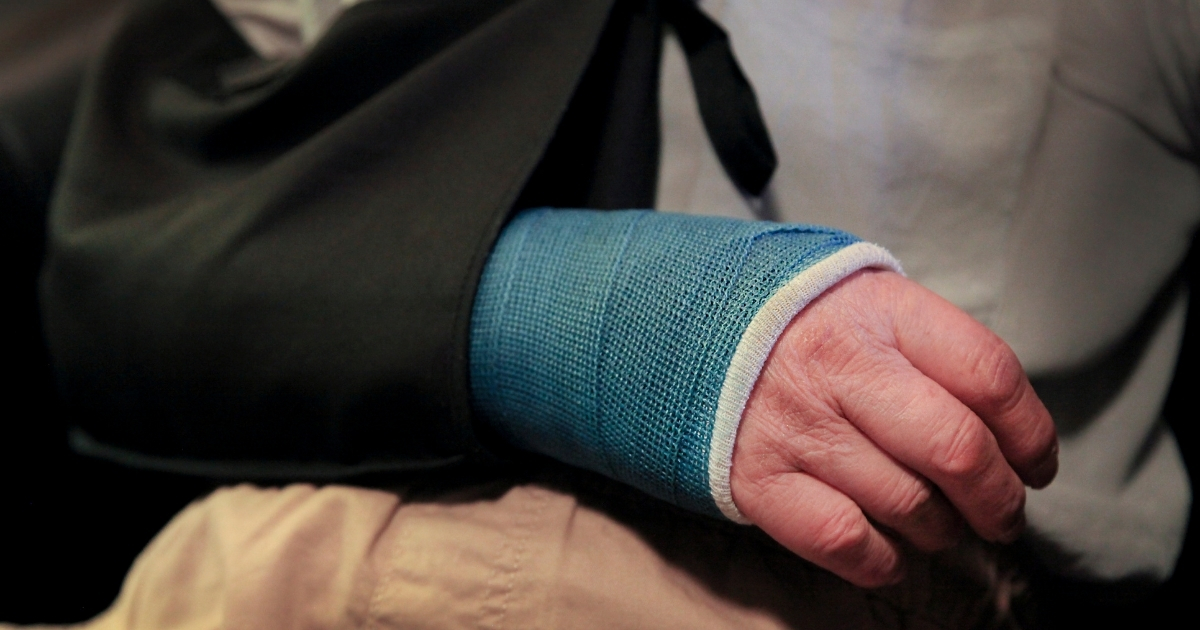
A broken bone can happen in seconds—during a fall, a sports activity, or even a simple accident at home. Acting quickly and calmly before reaching medical care can help prevent further injury and reduce pain. Knowing what to do in those first moments makes a meaningful difference.
If you suspect a broken bone, don’t delay care—reach out to a medical professional right away. Contact Quality Care ER through the online form or call (903) 417-0886. If the injury is severe or life-threatening, call 911 immediately.
What Is a Broken Bone?
A broken bone, also called a fracture, occurs when a bone cracks or breaks due to force or stress. Some fractures are obvious, while others are harder to detect.
Common Causes Include:
- Falls or slips
- Sports injuries
- Car accidents
- Direct impact or trauma
Not all fractures look the same, but all require proper medical evaluation to heal correctly.
Signs of a Broken Bone
Recognizing the symptoms can help you act quickly and safely.
Watch for These Signs:
- Sudden, intense pain at the injury site
- Swelling or bruising
- Difficulty moving the affected area
- Visible deformity (bone looks out of place)
- A snapping or popping sound at the time of injury
If you notice any of these symptoms, it’s important to limit movement and prepare to seek care.
What to Do Immediately After the Injury
Taking the right steps before reaching the ER can help stabilize the injury and reduce complications.
First Steps to Take:
- Stay calm and keep the person still
- Movement can worsen the injury or cause additional damage.
- Immobilize the area
- Use a splint, sling, or even a rolled towel to keep the injured limb from moving.
- Apply ice
- Place a cold pack wrapped in cloth on the area to reduce swelling (10–15 minutes at a time).
- Elevate if possible
- Raising the injured area above heart level may help reduce swelling.
- Control any bleeding
- Apply gentle pressure with a clean cloth if there is an open wound.
When to Seek Emergency Care
Some fractures require immediate emergency attention, especially if they are severe or involve complications.
Go to the ER if You Notice:
- Bone piercing through the skin
- Severe pain that worsens with movement
- Numbness or loss of circulation
- Inability to move fingers or toes
- Signs of shock (pale skin, dizziness, rapid breathing)
Emergency providers can perform imaging, such as X-rays, and begin treatment right away. Learn more about how emergency services for major injuries can help in these situations.
What Not to Do
Avoiding common mistakes is just as important as taking the right steps.
Do Not:
- Try to realign the bone yourself
- Ignore severe pain or swelling
- Delay medical care
- Apply ice directly to bare skin
- Allow unnecessary movement of the injured area
These actions can increase the risk of complications.
Why Prompt Care Matters
Delaying treatment for a broken bone can lead to improper healing, infection (in open fractures), or long-term mobility issues. Emergency care ensures the injury is properly evaluated and treated with the right tools and expertise.
Even if the injury seems minor, it’s always safer to have it checked by a medical professional.
Be Prepared During Active Seasons
During summer and early fall, outdoor activities, sports, and travel can increase the risk of fractures. Staying aware and prepared can help you respond quickly if an injury occurs.
Get the Care You Need Without Delay
Broken bones require proper evaluation and treatment to heal safely. Quality Care ER provides emergency care for injuries, including fractures, with on-site imaging and experienced medical professionals.
If you suspect a broken bone, contact Quality Care ER through the online form or call (903) 417-0886 for immediate assistance.