

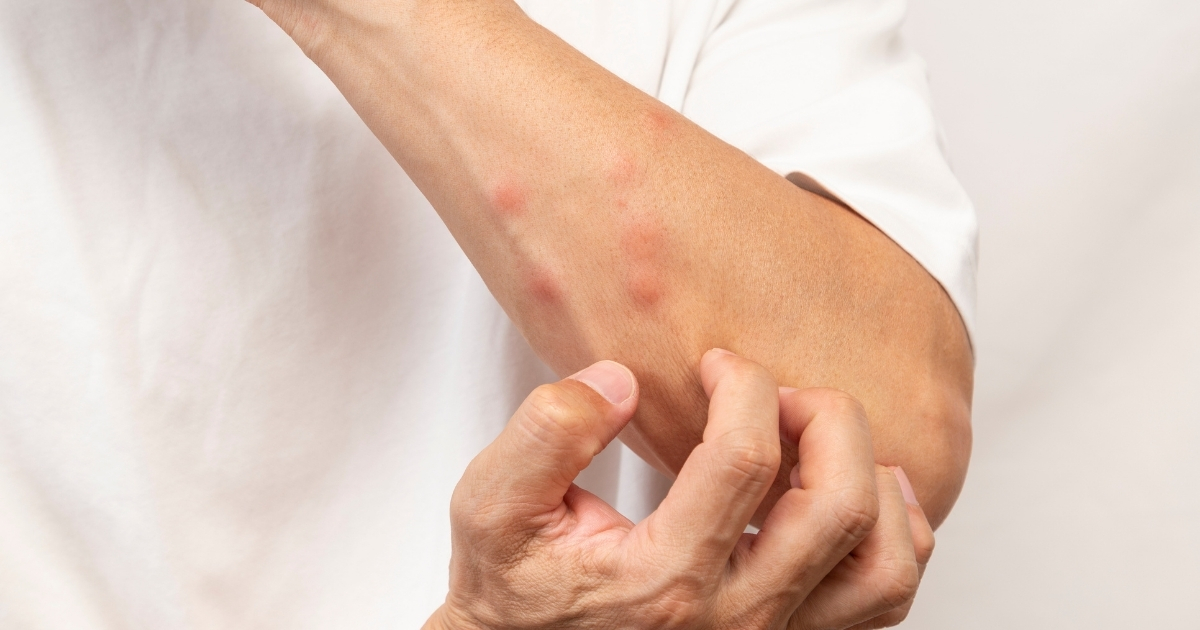
Bug bites are common, especially during the summer and early fall months. Most are harmless and go away on their own—but some can quickly turn into something more serious if not treated in time. Knowing when a bite needs medical attention can help protect your health and give you peace of mind.
If a bite is getting worse or causing unusual symptoms, don’t wait—reach out to a medical professional right away. Contact Quality Care ER through the online form or call (903) 417-0886. If you are experiencing a medical emergency, call 911 immediately.
Common Bug Bites and Typical Reactions
Most insect bites cause mild symptoms that improve within a few days. These include:
- Redness or swelling around the bite
- Mild itching or irritation
- Small bumps or welts
Common culprits include mosquitoes, ants, spiders, and fleas. In many cases, simple care, such as cleaning the area and using over-the-counter creams, is enough.
However, not all bites follow this pattern. Some may lead to infections or trigger stronger reactions that need medical care.
Signs a Bug Bite May Be Serious
It’s important to pay attention to how your body reacts after a bite. Some symptoms may suggest a more serious problem.
Common signs include:
- Severe swelling or pain that keeps getting worse
- Fever or chills
- Pus, warmth, or red streaks near the bite
- Difficulty breathing or swallowing
- Dizziness or fainting
- Rapid heartbeat
These symptoms could mean an infection or an allergic reaction. In these cases, prompt medical evaluation is important.
When to Seek Emergency Care
Some bug bites require immediate attention in an emergency setting. If symptoms develop quickly or affect your whole body, it’s best to act fast.
Go to the ER when you notice:
- Trouble breathing or tightness in the chest
- Swelling of the face, lips, or throat
- Signs of a severe allergic reaction (also called anaphylaxis)
- Confusion or difficulty staying awake
- A bite that becomes very painful or spreads rapidly
Emergency rooms are equipped with advanced tools and trained professionals to evaluate and treat serious reactions quickly. Learn more about how emergency care can help with minor and escalating conditions before they worsen.
Why Some Bug Bites Become Dangerous
Not all bites are equal. Certain factors can increase the risk of complications:
- Type of insect: Some spiders or ticks can carry harmful toxins or diseases
- Allergic reactions: Some people react more strongly than others
- Infection risk: Scratching can break the skin and allow bacteria in
- Heat and humidity: Summer conditions can make infections spread faster
Even a small bite can turn serious if it becomes infected or triggers a strong immune response.
How to Protect Yourself
Prevention is always the best first step, especially during peak bug season.
Simple Ways to Reduce Risk:
- Use insect repellent when outdoors
- Wear long sleeves and pants in wooded or grassy areas
- Avoid standing water where mosquitoes breed
- Clean bites right away with soap and water
- Avoid scratching to prevent infection
Taking these precautions can lower your chances of complications.
Don’t Ignore Changes in Symptoms
A bug bite that seems minor at first can change quickly. Paying attention to your symptoms and seeking care when needed can help prevent more serious health issues.
If something doesn’t feel right, it’s always better to have it checked. Emergency care providers can assess the situation and determine the right next steps.
Get the Care You Need When It Matters Most
Bug bites are usually minor—but when they aren’t, quick action is important. Quality Care ER provides emergency evaluation and treatment for a wide range of conditions, including reactions and infections caused by insect bites.
If symptoms are worsening or you’re unsure what to do next, contact Quality Care ER through the online form or call (903) 417-0886 to get the care you need.